
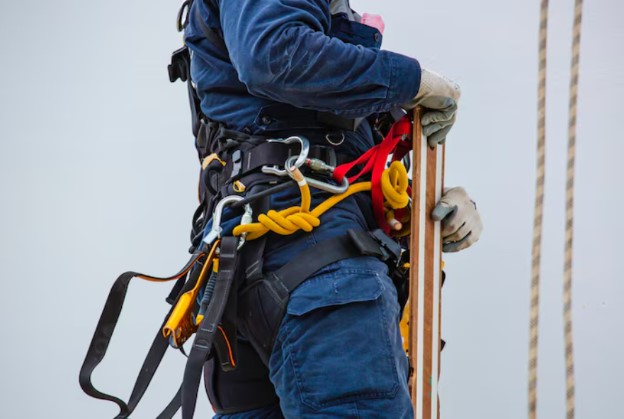

High-rope activities are exciting and give people a sense of adventure, confidence, and personal achievement. Whether it is a ropes course in a park, adventure training, or team-building activity, safety must always come first. One of the most important safety tools in these activities is the ropes course harness. It is not just equipment you wear for support; it is the main connection between you and the safety system. Wearing the right harness and using it correctly can make a major difference in preventing accidents and ensuring a safe experience.
Understanding the Role of a Ropes Course Harness
A ropes course harness is specially designed safety gear that wraps securely around your body, usually around the waist, thighs, and sometimes shoulders depending on the type. Its main purpose is to connect you to ropes, cables, or safety lines while you move through high platforms or obstacles.
When you are high above the ground, even a small mistake can become dangerous. The harness works as a protective link that holds you in place and supports your weight if you slip or lose balance. It distributes pressure across your body so that no single area carries too much force during a sudden stop or fall. This is why the quality and fit of the harness are extremely important.
Why Proper Fit and Comfort Matter
A ropes course harness must fit correctly to be safe. If it is too loose, it may shift during movement, reducing its effectiveness. If it is too tight, it can cause discomfort, restrict movement, or even affect your breathing and balance.
A properly fitted harness allows you to move freely while staying securely attached to the safety system. This balance between comfort and security is essential, especially when you are climbing, swinging, or crossing obstacles. A well-fitted harness also helps you stay focused on the activity instead of worrying about safety issues.
The Importance of Quality Materials and Design
Not all harnesses are made the same. High-quality ropes course harnesses are built using strong, durable materials that can withstand heavy pressure and repeated use. The stitching, buckles, and straps are all designed to hold strong under stress.
A poorly made harness can wear out quickly or fail under pressure, which increases the risk of injury. That is why professional adventure parks and training centers always invest in certified safety equipment. The design also matters because it affects how weight is distributed across the body during movement or in case of a fall.
Safety Checks and Proper Usage
Even the best ropes course harness is only effective when it is used correctly. Before starting any activity, instructors usually check the harness to make sure all straps are secured and adjusted properly. Participants are also guided on how to wear it and move safely while connected to the system.
Regular safety checks are important because even small issues like a loose buckle or twisted strap can reduce the effectiveness of the harness. Learning how to trust the equipment and follow safety instructions ensures a much safer and smoother experience.
Building Confidence Through Safety
Wearing a secure ropes course harness does more than protect the body; it also builds confidence. When people feel safe, they are more willing to try new challenges, climb higher, and complete difficult obstacles. This confidence is a key part of what makes high-rope activities enjoyable and rewarding.
Without proper safety equipment, fear of falling can limit performance and reduce the overall experience. A reliable harness removes that fear and allows participants to focus on fun, teamwork, and personal achievement.
Conclusion
The ropes course harness is one of the most important elements in ensuring safety during high-rope activities. It provides protection, support, and confidence while allowing participants to enjoy the adventure without unnecessary risk. Choosing the right harness, ensuring proper fit, and following safety instructions all work together to create a safe and enjoyable experience. In any high-rope activity, safety should always come first, and the harness plays a central role in making that possible.